







4 / 4
Conclusion
しおりを挟む
Do the readers know why Van Gogh’s paintings are valued at such astronomical prices? Actually, it was Johanna who played the role of the ultimate promoter, bringing his works to the world’s attention.
She meticulously organized the countless letters exchanged between Vincent and Theo, and employed a method of continuously appealing to renowned art critics with essays explaining when and under what circumstances each painting was created.
Naturally, this was an exhausting activity that required enormous time and effort. At that time, it was popular to consider not only the artwork itself but also the background and story behind its creation as part of the art. In other words, even if Van Gogh suffered from severe mental illness, his unwavering dedication to facing the canvas and the beautiful brotherly love between him and Theo—who silently supported him—met the demands of that era’s artistic appreciation perfectly.
Her relentless dedication to this cause is said to stem from her “love for her husband and brother-in-law,” but she was originally an English teacher and had little genuine interest in art. I initially suspected that her actions were driven by a selfish desire to sell Van Gogh’s paintings at high prices. However, this was long before his works fetched such astronomical sums. Yet, there was no reason for her to be so obsessed with her “brother-in-law’s” paintings—especially considering that they hadn’t even begun to reach those high valuations at the time.
She didn’t harbor any romantic feelings—rather, quite the opposite—she seemed to feel hostility toward Vincent. So, words like “selfless love” don’t adequately explain her motives. However, when I considered that her true driving force might have been an “indelible sense of guilt and a need for atonement,” my inner sense of discomfort finally dissipated. That is the entire story I have uncovered about the Van Gogh murder case.
More than twenty years after the deaths of the Van Gogh brothers, in 1914, Johanna completed organizing the vast collection of letters from Vincent to Theo and published them as a book. In the same year, Vincent’s remains were moved from the Netherlands to lie beside his brother’s in Auvers-sur-Oise, at her insistence.
By 1924, she relinquished the famous painting Sunflowers to the National Gallery in London, cementing Van Gogh’s reputation as “the Van Gogh” worldwide. Her steady efforts truly blossomed into a magnificent bloom of recognition.
And in the following year, 1925, Johanna peacefully passed away. It had been thirty-five years since the deaths of the Van Gogh brothers, and perhaps, finally, she was able to lift the heavy cross of her “great sin.”
Now, I have narrated the full truth of the Van Gogh murder case across four episodes, but this truth will never be accepted by the wider world. That’s because many of Van Gogh’s paintings are under the management of foundations. Furthermore, Johanna is celebrated as the great benefactor who brought Van Gogh’s art to the public eye. In such a situation, no one in their right mind would publicly accept the theory:
"Johanna was the murderer of Van Gogh."
Therefore, it is obvious that my work too will be regarded as "one of the new theories."
But… if heaven exists, I wish that all the sins committed in life could be forgiven, and that Vincent, in that beautiful afterworld, would joyfully paint those magnificent scenes on canvas, with Theo, Jo, and young Vincent watching over him with smiles—may that world of compassion and love exist, I hope.
She meticulously organized the countless letters exchanged between Vincent and Theo, and employed a method of continuously appealing to renowned art critics with essays explaining when and under what circumstances each painting was created.
Naturally, this was an exhausting activity that required enormous time and effort. At that time, it was popular to consider not only the artwork itself but also the background and story behind its creation as part of the art. In other words, even if Van Gogh suffered from severe mental illness, his unwavering dedication to facing the canvas and the beautiful brotherly love between him and Theo—who silently supported him—met the demands of that era’s artistic appreciation perfectly.
Her relentless dedication to this cause is said to stem from her “love for her husband and brother-in-law,” but she was originally an English teacher and had little genuine interest in art. I initially suspected that her actions were driven by a selfish desire to sell Van Gogh’s paintings at high prices. However, this was long before his works fetched such astronomical sums. Yet, there was no reason for her to be so obsessed with her “brother-in-law’s” paintings—especially considering that they hadn’t even begun to reach those high valuations at the time.
She didn’t harbor any romantic feelings—rather, quite the opposite—she seemed to feel hostility toward Vincent. So, words like “selfless love” don’t adequately explain her motives. However, when I considered that her true driving force might have been an “indelible sense of guilt and a need for atonement,” my inner sense of discomfort finally dissipated. That is the entire story I have uncovered about the Van Gogh murder case.
More than twenty years after the deaths of the Van Gogh brothers, in 1914, Johanna completed organizing the vast collection of letters from Vincent to Theo and published them as a book. In the same year, Vincent’s remains were moved from the Netherlands to lie beside his brother’s in Auvers-sur-Oise, at her insistence.
By 1924, she relinquished the famous painting Sunflowers to the National Gallery in London, cementing Van Gogh’s reputation as “the Van Gogh” worldwide. Her steady efforts truly blossomed into a magnificent bloom of recognition.
And in the following year, 1925, Johanna peacefully passed away. It had been thirty-five years since the deaths of the Van Gogh brothers, and perhaps, finally, she was able to lift the heavy cross of her “great sin.”
Now, I have narrated the full truth of the Van Gogh murder case across four episodes, but this truth will never be accepted by the wider world. That’s because many of Van Gogh’s paintings are under the management of foundations. Furthermore, Johanna is celebrated as the great benefactor who brought Van Gogh’s art to the public eye. In such a situation, no one in their right mind would publicly accept the theory:
"Johanna was the murderer of Van Gogh."
Therefore, it is obvious that my work too will be regarded as "one of the new theories."
But… if heaven exists, I wish that all the sins committed in life could be forgiven, and that Vincent, in that beautiful afterworld, would joyfully paint those magnificent scenes on canvas, with Theo, Jo, and young Vincent watching over him with smiles—may that world of compassion and love exist, I hope.
0
この作品の感想を投稿する
あなたにおすすめの小説
甲斐ノ副将、八幡原ニテ散……ラズ
朽縄咲良
歴史・時代
【第8回歴史時代小説大賞奨励賞受賞作品】
戦国の雄武田信玄の次弟にして、“稀代の副将”として、同時代の戦国武将たちはもちろん、後代の歴史家の間でも評価の高い武将、武田典厩信繁。
永禄四年、武田信玄と強敵上杉輝虎とが雌雄を決する“第四次川中島合戦”に於いて討ち死にするはずだった彼は、家臣の必死の奮闘により、その命を拾う。
信繁の生存によって、甲斐武田家と日本が辿るべき歴史の流れは徐々にずれてゆく――。
この作品は、武田信繁というひとりの武将の生存によって、史実とは異なっていく戦国時代を書いた、大河if戦記である。
*ノベルアッププラス・小説家になろうにも、同内容の作品を掲載しております(一部差異あり)。
上司、快楽に沈むまで
赤林檎
BL
完璧な男――それが、営業部課長・**榊(さかき)**の社内での評判だった。
冷静沈着、部下にも厳しい。私生活の噂すら立たないほどの隙のなさ。
だが、その“完璧”が崩れる日がくるとは、誰も想像していなかった。
入社三年目の篠原は、榊の直属の部下。
真面目だが強気で、どこか挑発的な笑みを浮かべる青年。
ある夜、取引先とのトラブル対応で二人だけが残ったオフィスで、
篠原は上司に向かって、いつもの穏やかな口調を崩した。「……そんな顔、部下には見せないんですね」
疲労で僅かに緩んだ榊の表情。
その弱さを見逃さず、篠原はデスク越しに距離を詰める。
「強がらなくていいですよ。俺の前では、もう」
指先が榊のネクタイを掴む。
引き寄せられた瞬間、榊の理性は音を立てて崩れた。
拒むことも、許すこともできないまま、
彼は“部下”の手によって、ひとつずつ乱されていく。
言葉で支配され、触れられるたびに、自分の知らなかった感情と快楽を知る。それは、上司としての誇りを壊すほどに甘く、逃れられないほどに深い。
だが、篠原の視線の奥に宿るのは、ただの欲望ではなかった。
そこには、ずっと榊だけを見つめ続けてきた、静かな執着がある。
「俺、前から思ってたんです。
あなたが誰かに“支配される”ところ、きっと綺麗だろうなって」
支配する側だったはずの男が、
支配されることで初めて“生きている”と感じてしまう――。
上司と部下、立場も理性も、すべてが絡み合うオフィスの夜。
秘密の扉を開けた榊は、もう戻れない。
快楽に溺れるその瞬間まで、彼を待つのは破滅か、それとも救いか。
――これは、ひとりの上司が“愛”という名の支配に沈んでいく物語。
日露戦争の真実
蔵屋
歴史・時代
私の先祖は日露戦争の奉天の戦いで若くして戦死しました。
日本政府の定めた徴兵制で戦地に行ったのでした。
日露戦争が始まったのは明治37年(1904)2月6日でした。
帝政ロシアは清国の領土だった中国東北部を事実上占領下に置き、さらに朝鮮半島、日本海に勢力を伸ばそうとしていました。
日本はこれに対抗し開戦に至ったのです。
ほぼ同時に、日本連合艦隊はロシア軍の拠点港である旅順に向かい、ロシア軍の旅順艦隊の殲滅を目指すことになりました。
ロシア軍はヨーロッパに配備していたバルチック艦隊を日本に派遣するべく準備を開始したのです。
深い入り江に守られた旅順沿岸に設置された強力な砲台のため日本の連合艦隊は、陸軍に陸上からの旅順艦隊攻撃を要請したのでした。
この物語の始まりです。
『神知りて 人の幸せ 祈るのみ
神の伝えし 愛善の道』
この短歌は私が今年元旦に詠んだ歌である。
作家 蔵屋日唱
if 大坂夏の陣 〜勝ってはならぬ闘い〜
かまぼこのもと
歴史・時代
1615年5月。
徳川家康の天下統一は最終局面に入っていた。
堅固な大坂城を無力化させ、内部崩壊を煽り、ほぼ勝利を手中に入れる……
豊臣家に味方する者はいない。
西国無双と呼ばれた立花宗茂も徳川家康の配下となった。
しかし、ほんの少しの違いにより戦局は全く違うものとなっていくのであった。
全5話……と思ってましたが、終わりそうにないので10話ほどになりそうなので、マルチバース豊臣家と別に連載することにしました。
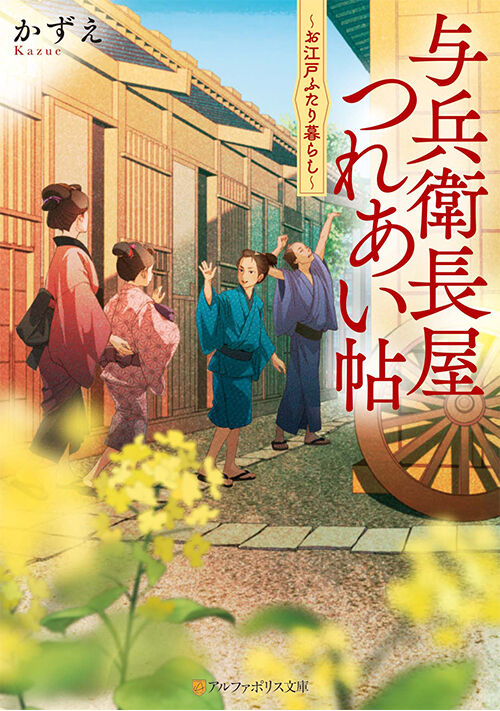
与兵衛長屋つれあい帖 お江戸ふたり暮らし
かずえ
歴史・時代
旧題:ふたり暮らし
長屋シリーズ一作目。
第八回歴史・時代小説大賞で優秀短編賞を頂きました。応援してくださった皆様、ありがとうございます。
十歳のみつは、十日前に一人親の母を亡くしたばかり。幸い、母の蓄えがあり、自分の裁縫の腕の良さもあって、何とか今まで通り長屋で暮らしていけそうだ。
頼まれた繕い物を届けた帰り、くすんだ着物で座り込んでいる男の子を拾う。
一人で寂しかったみつは、拾った男の子と二人で暮らし始めた。
あるフィギュアスケーターの性事情
蔵屋
恋愛
この小説はフィクションです。
しかし、そのようなことが現実にあったかもしれません。
何故ならどんな人間も、悪魔や邪神や悪神に憑依された偽善者なのですから。
この物語は浅岡結衣(16才)とそのコーチ(25才)の恋の物語。
そのコーチの名前は高木文哉(25才)という。
この物語はフィクションです。
実在の人物、団体等とは、一切関係がありません。
花嫁
一ノ瀬亮太郎
歴史・時代
征之進は小さい頃から市松人形が欲しかった。しかし大身旗本の嫡男が女の子のように人形遊びをするなど許されるはずもない。他人からも自分からもそんな気持を隠すように征之進は武芸に励み、今では道場の師範代を務めるまでになっていた。そんな征之進に結婚話が持ち込まれる。
ユーザ登録のメリット
- 毎日¥0対象作品が毎日1話無料!
- お気に入り登録で最新話を見逃さない!
- しおり機能で小説の続きが読みやすい!
1~3分で完了!
無料でユーザ登録する
すでにユーザの方はログイン
閉じる