






2 / 4
Development
しおりを挟む
Currently, the primary suspect in the case of Vincent’s murder is a man named René Secrétan. He was a 16-year-old boy who had come to visit and stay in Auvers-sur-Oise, where Vincent was residing for the summer, to escape the heat. This particular drawing is a sketch of René by Vincent himself. He is wearing a hat that looks like something a cowboy would wear, but at the time, Western movies were popular, and it is said that he dressed this way influenced by them. Moreover, he was what we would call a "delinquent boy" today—bad behavior, swinging around a real pistol to shoot small animals like squirrels. He was known to tease Vincent, who often painted outdoors, by putting salt in his coffee or placing snakes in his paintbox.
In short, the suspect theory suggests that René was teasing Vincent as usual, a quarrel ensued, and during a scuffle, the gun accidentally went off, hitting Vincent in the abdomen. However, I cannot accept this theory. Because, immediately after the incident, Vincent returned to his lodging, fully conscious, and during his medical examination and police interrogation, he did not say anything like,
"I was shot by René!" Why didn’t he mention René’s name? Supporters of the René suspect theory argue,
"Kind Vincent was silently protecting René because he was worried about his future!" But even if Vincent was the son of a pastor, I find it hard to believe he would shield a boy who had been teasing and mocking him, even at the risk of being shot himself. Furthermore, in 1956, a film titled "Lust for Life" was released.
In it, René, who was then 82 years old, testified in the media, "It was my pistol that Vincent took at that time!"
You might think, “A murderer wouldn’t admit to the crime so openly,” but by then, René was nearing the end of his life. And since this was decades after the event, the statute of limitations had obviously expired. I don’t believe that the elderly René would have lied about his involvement at such a moment. If he truly wanted to hide the deed, he could have simply said, "I lost that pistol somewhere,"
or something similar. I am convinced that Vincent was indeed shot by someone else, and that the culprit was not René.
Now, I will consider the possibility of other suspects. First, the person behind the infamous “ear-cutting incident”: Eugène Henri Paul Gauguin.
Like a gathering of great manga artists in Japan, it’s well known that Vincent and Gauguin cohabited at the “Yellow House” and created art together. However, Gauguin was not enthusiastic about living with Vincent from the start. He had invited many renowned artists—Degas, Monet, Renoir, Sisley, Pissarro, Seurat, Bernard, Toulouse-Lautrec, Louis Anquetin, and Armand Guillemin—but only Gauguin accepted. Despite his reluctance, Gauguin began living with Vincent, but one day, he pointed out that his depiction of figures’ ears looked strange, which led to a quarrel. Shortly after, Gauguin left the “Yellow House.” A week later, Vincent famously cut off his own left ear and sent a fragment to a prostitute named La Rachelle, which led to his hospitalization. This incident was reported in local newspapers, and Vincent was branded as mentally ill. Given this background, would Gauguin have gone so far as to murder Vincent two years later? If I were in his position, I honestly wouldn’t want to be involved with him again. If he had shot Gauguin, I might have accepted it, but… that was not the case, so Gauguin is outside my theory.
However, the person I suspect is someone who had a connection to Vincent and is quite cunning. Because, to hide the possibility that he was not a suicide but a murder, the culprit disposed of his art supplies at the scene. If these supplies had been left behind, suspicion might have fallen on murder, and only someone familiar with his passion for painting and his past hospitalization would have taken such action. And, this person had caused trouble for Vincent before—if he had shot him, he wouldn’t want to be caught. Among those conditions, the first person who came to mind was:
His name is Theodorus van Gogh, commonly called “Theo.” He was Vincent’s younger brother. Vincent and Theo had a very close relationship since childhood. Theo respected his older brother so much that he named his own son “Vincent”. He’s occupation was a “art dealer,” and, interestingly, Vincent’s short-lived brotherly collaborator also worked at their uncle’s company, the “Goupil & Cie.” Eventually, Vincent became passionate about painting, and Theo opened his own gallery to sell his brother’s works. That future seemed to become their shared dream. In fact, Theo did leave “Goupil & Cie.” and opened his gallery, but life soon became difficult. Because Vincent’s paintings did not sell well. Furthermore, Theo bore all the costs for his brother’s living expenses and art supplies, and he even purchased all the finished paintings—an unusual act. In such a situation, I thought there might be a chance that Vincent’s resentment towards his unsuccessful brother could have grown enough to lead to murder. If Theo had shot Vincent, he might have believed it was a way to atone for all the trouble he caused. He could have confessed to the doctor and police, "I shot him myself."
But this theory was quickly dismissed. Because Theo was not forced by his brother to do so, and he could have simply stopped supporting him at any time. And after the incident, he reportedly pleaded with the police, "Find the culprit, no matter what!" If Theo were the murderer, it would make sense for him to have claimed it was a suicide, as Vincent’s own testimony suggests. And, given how much Theo loved his brother—naming his son after him—it's hard to imagine him shooting Gogh with a gun. But then, all the individuals who could have had a motive to kill Vincent seemed to disappear from the picture. Until I realized something.
Did you notice, readers? Among all the persons involved with Vincent, and those who could harbor strong murderous intent, there is only one person not mentioned at all … That person’s true identity will be revealed in the next chapter.
In short, the suspect theory suggests that René was teasing Vincent as usual, a quarrel ensued, and during a scuffle, the gun accidentally went off, hitting Vincent in the abdomen. However, I cannot accept this theory. Because, immediately after the incident, Vincent returned to his lodging, fully conscious, and during his medical examination and police interrogation, he did not say anything like,
"I was shot by René!" Why didn’t he mention René’s name? Supporters of the René suspect theory argue,
"Kind Vincent was silently protecting René because he was worried about his future!" But even if Vincent was the son of a pastor, I find it hard to believe he would shield a boy who had been teasing and mocking him, even at the risk of being shot himself. Furthermore, in 1956, a film titled "Lust for Life" was released.
In it, René, who was then 82 years old, testified in the media, "It was my pistol that Vincent took at that time!"
You might think, “A murderer wouldn’t admit to the crime so openly,” but by then, René was nearing the end of his life. And since this was decades after the event, the statute of limitations had obviously expired. I don’t believe that the elderly René would have lied about his involvement at such a moment. If he truly wanted to hide the deed, he could have simply said, "I lost that pistol somewhere,"
or something similar. I am convinced that Vincent was indeed shot by someone else, and that the culprit was not René.
Now, I will consider the possibility of other suspects. First, the person behind the infamous “ear-cutting incident”: Eugène Henri Paul Gauguin.
Like a gathering of great manga artists in Japan, it’s well known that Vincent and Gauguin cohabited at the “Yellow House” and created art together. However, Gauguin was not enthusiastic about living with Vincent from the start. He had invited many renowned artists—Degas, Monet, Renoir, Sisley, Pissarro, Seurat, Bernard, Toulouse-Lautrec, Louis Anquetin, and Armand Guillemin—but only Gauguin accepted. Despite his reluctance, Gauguin began living with Vincent, but one day, he pointed out that his depiction of figures’ ears looked strange, which led to a quarrel. Shortly after, Gauguin left the “Yellow House.” A week later, Vincent famously cut off his own left ear and sent a fragment to a prostitute named La Rachelle, which led to his hospitalization. This incident was reported in local newspapers, and Vincent was branded as mentally ill. Given this background, would Gauguin have gone so far as to murder Vincent two years later? If I were in his position, I honestly wouldn’t want to be involved with him again. If he had shot Gauguin, I might have accepted it, but… that was not the case, so Gauguin is outside my theory.
However, the person I suspect is someone who had a connection to Vincent and is quite cunning. Because, to hide the possibility that he was not a suicide but a murder, the culprit disposed of his art supplies at the scene. If these supplies had been left behind, suspicion might have fallen on murder, and only someone familiar with his passion for painting and his past hospitalization would have taken such action. And, this person had caused trouble for Vincent before—if he had shot him, he wouldn’t want to be caught. Among those conditions, the first person who came to mind was:
His name is Theodorus van Gogh, commonly called “Theo.” He was Vincent’s younger brother. Vincent and Theo had a very close relationship since childhood. Theo respected his older brother so much that he named his own son “Vincent”. He’s occupation was a “art dealer,” and, interestingly, Vincent’s short-lived brotherly collaborator also worked at their uncle’s company, the “Goupil & Cie.” Eventually, Vincent became passionate about painting, and Theo opened his own gallery to sell his brother’s works. That future seemed to become their shared dream. In fact, Theo did leave “Goupil & Cie.” and opened his gallery, but life soon became difficult. Because Vincent’s paintings did not sell well. Furthermore, Theo bore all the costs for his brother’s living expenses and art supplies, and he even purchased all the finished paintings—an unusual act. In such a situation, I thought there might be a chance that Vincent’s resentment towards his unsuccessful brother could have grown enough to lead to murder. If Theo had shot Vincent, he might have believed it was a way to atone for all the trouble he caused. He could have confessed to the doctor and police, "I shot him myself."
But this theory was quickly dismissed. Because Theo was not forced by his brother to do so, and he could have simply stopped supporting him at any time. And after the incident, he reportedly pleaded with the police, "Find the culprit, no matter what!" If Theo were the murderer, it would make sense for him to have claimed it was a suicide, as Vincent’s own testimony suggests. And, given how much Theo loved his brother—naming his son after him—it's hard to imagine him shooting Gogh with a gun. But then, all the individuals who could have had a motive to kill Vincent seemed to disappear from the picture. Until I realized something.
Did you notice, readers? Among all the persons involved with Vincent, and those who could harbor strong murderous intent, there is only one person not mentioned at all … That person’s true identity will be revealed in the next chapter.
0
あなたにおすすめの小説
甲斐ノ副将、八幡原ニテ散……ラズ
朽縄咲良
歴史・時代
【第8回歴史時代小説大賞奨励賞受賞作品】
戦国の雄武田信玄の次弟にして、“稀代の副将”として、同時代の戦国武将たちはもちろん、後代の歴史家の間でも評価の高い武将、武田典厩信繁。
永禄四年、武田信玄と強敵上杉輝虎とが雌雄を決する“第四次川中島合戦”に於いて討ち死にするはずだった彼は、家臣の必死の奮闘により、その命を拾う。
信繁の生存によって、甲斐武田家と日本が辿るべき歴史の流れは徐々にずれてゆく――。
この作品は、武田信繁というひとりの武将の生存によって、史実とは異なっていく戦国時代を書いた、大河if戦記である。
*ノベルアッププラス・小説家になろうにも、同内容の作品を掲載しております(一部差異あり)。
上司、快楽に沈むまで
赤林檎
BL
完璧な男――それが、営業部課長・**榊(さかき)**の社内での評判だった。
冷静沈着、部下にも厳しい。私生活の噂すら立たないほどの隙のなさ。
だが、その“完璧”が崩れる日がくるとは、誰も想像していなかった。
入社三年目の篠原は、榊の直属の部下。
真面目だが強気で、どこか挑発的な笑みを浮かべる青年。
ある夜、取引先とのトラブル対応で二人だけが残ったオフィスで、
篠原は上司に向かって、いつもの穏やかな口調を崩した。「……そんな顔、部下には見せないんですね」
疲労で僅かに緩んだ榊の表情。
その弱さを見逃さず、篠原はデスク越しに距離を詰める。
「強がらなくていいですよ。俺の前では、もう」
指先が榊のネクタイを掴む。
引き寄せられた瞬間、榊の理性は音を立てて崩れた。
拒むことも、許すこともできないまま、
彼は“部下”の手によって、ひとつずつ乱されていく。
言葉で支配され、触れられるたびに、自分の知らなかった感情と快楽を知る。それは、上司としての誇りを壊すほどに甘く、逃れられないほどに深い。
だが、篠原の視線の奥に宿るのは、ただの欲望ではなかった。
そこには、ずっと榊だけを見つめ続けてきた、静かな執着がある。
「俺、前から思ってたんです。
あなたが誰かに“支配される”ところ、きっと綺麗だろうなって」
支配する側だったはずの男が、
支配されることで初めて“生きている”と感じてしまう――。
上司と部下、立場も理性も、すべてが絡み合うオフィスの夜。
秘密の扉を開けた榊は、もう戻れない。
快楽に溺れるその瞬間まで、彼を待つのは破滅か、それとも救いか。
――これは、ひとりの上司が“愛”という名の支配に沈んでいく物語。
日露戦争の真実
蔵屋
歴史・時代
私の先祖は日露戦争の奉天の戦いで若くして戦死しました。
日本政府の定めた徴兵制で戦地に行ったのでした。
日露戦争が始まったのは明治37年(1904)2月6日でした。
帝政ロシアは清国の領土だった中国東北部を事実上占領下に置き、さらに朝鮮半島、日本海に勢力を伸ばそうとしていました。
日本はこれに対抗し開戦に至ったのです。
ほぼ同時に、日本連合艦隊はロシア軍の拠点港である旅順に向かい、ロシア軍の旅順艦隊の殲滅を目指すことになりました。
ロシア軍はヨーロッパに配備していたバルチック艦隊を日本に派遣するべく準備を開始したのです。
深い入り江に守られた旅順沿岸に設置された強力な砲台のため日本の連合艦隊は、陸軍に陸上からの旅順艦隊攻撃を要請したのでした。
この物語の始まりです。
『神知りて 人の幸せ 祈るのみ
神の伝えし 愛善の道』
この短歌は私が今年元旦に詠んだ歌である。
作家 蔵屋日唱
if 大坂夏の陣 〜勝ってはならぬ闘い〜
かまぼこのもと
歴史・時代
1615年5月。
徳川家康の天下統一は最終局面に入っていた。
堅固な大坂城を無力化させ、内部崩壊を煽り、ほぼ勝利を手中に入れる……
豊臣家に味方する者はいない。
西国無双と呼ばれた立花宗茂も徳川家康の配下となった。
しかし、ほんの少しの違いにより戦局は全く違うものとなっていくのであった。
全5話……と思ってましたが、終わりそうにないので10話ほどになりそうなので、マルチバース豊臣家と別に連載することにしました。
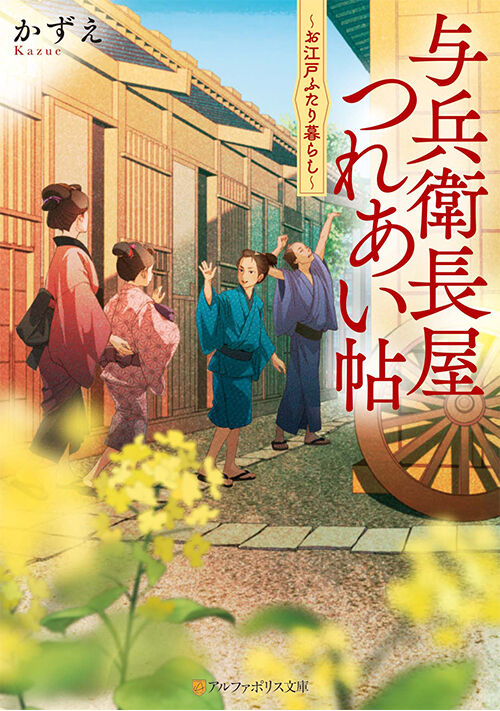
与兵衛長屋つれあい帖 お江戸ふたり暮らし
かずえ
歴史・時代
旧題:ふたり暮らし
長屋シリーズ一作目。
第八回歴史・時代小説大賞で優秀短編賞を頂きました。応援してくださった皆様、ありがとうございます。
十歳のみつは、十日前に一人親の母を亡くしたばかり。幸い、母の蓄えがあり、自分の裁縫の腕の良さもあって、何とか今まで通り長屋で暮らしていけそうだ。
頼まれた繕い物を届けた帰り、くすんだ着物で座り込んでいる男の子を拾う。
一人で寂しかったみつは、拾った男の子と二人で暮らし始めた。
あるフィギュアスケーターの性事情
蔵屋
恋愛
この小説はフィクションです。
しかし、そのようなことが現実にあったかもしれません。
何故ならどんな人間も、悪魔や邪神や悪神に憑依された偽善者なのですから。
この物語は浅岡結衣(16才)とそのコーチ(25才)の恋の物語。
そのコーチの名前は高木文哉(25才)という。
この物語はフィクションです。
実在の人物、団体等とは、一切関係がありません。
花嫁
一ノ瀬亮太郎
歴史・時代
征之進は小さい頃から市松人形が欲しかった。しかし大身旗本の嫡男が女の子のように人形遊びをするなど許されるはずもない。他人からも自分からもそんな気持を隠すように征之進は武芸に励み、今では道場の師範代を務めるまでになっていた。そんな征之進に結婚話が持ち込まれる。
ユーザ登録のメリット
- 毎日¥0対象作品が毎日1話無料!
- お気に入り登録で最新話を見逃さない!
- しおり機能で小説の続きが読みやすい!
1~3分で完了!
無料でユーザ登録する
すでにユーザの方はログイン
閉じる